


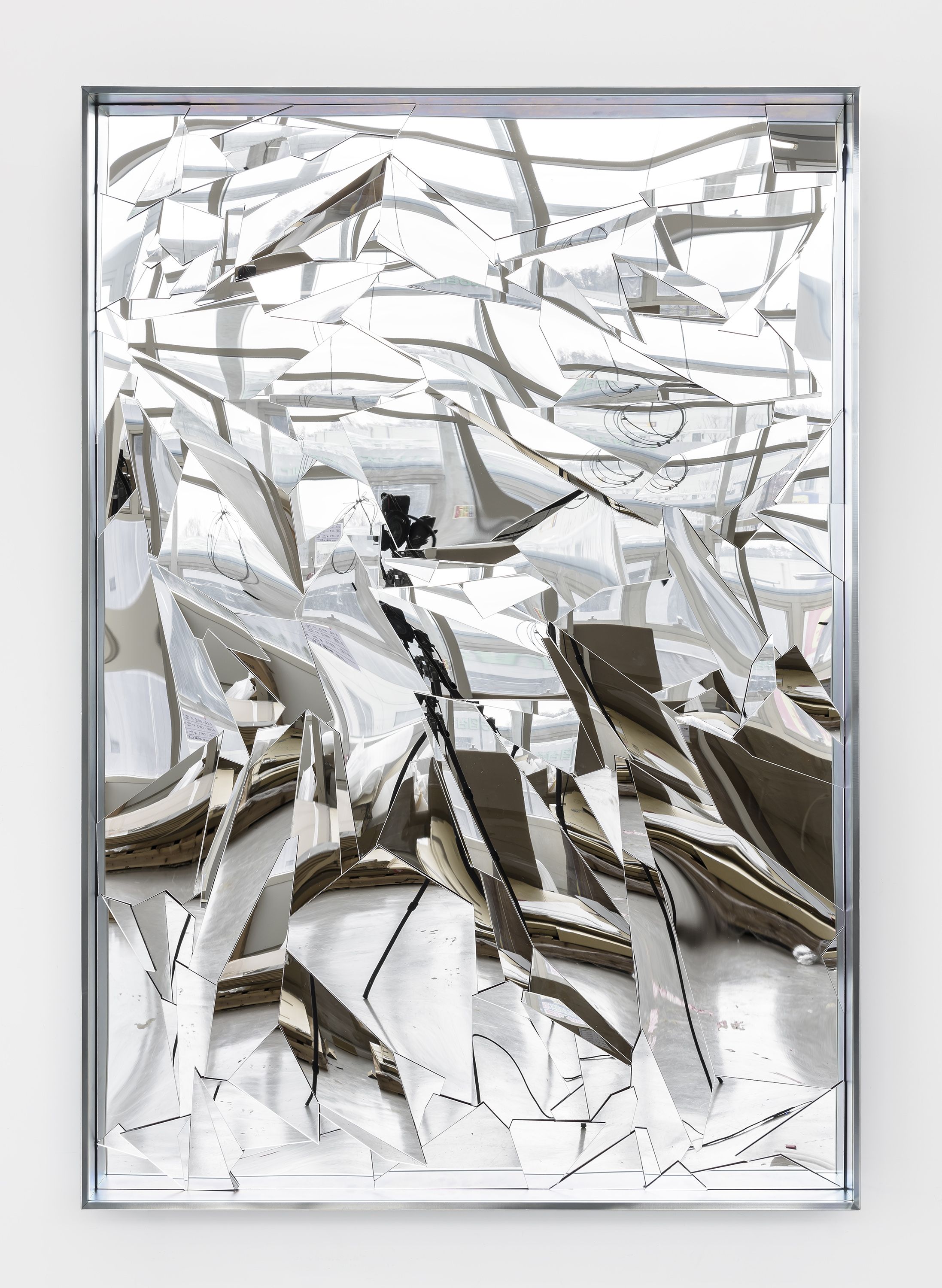
South Korean artist Lee Bul creates sculptures and installations that move between dystopian techno-monsters and objects pulled from ruinous cityscapes. Emerging out of the late 1980s, Bul has examined urbanization, mythology, and societal “progress” in major exhibitions and shows. Earlier this year, she nabbed the annual, prestigious Ho-Am Prize.


Lehman Maupin speaks to his fascination with the “cyborg”: “For Lee Bul, humankind’s fascination with technology ultimately refers to our preoccupations with the human body and our desire to transcend flesh in pursuit of immortality. This interest often materializes in her work in the form of a cyborg—a being that is both organic and machine—the closest thing to a human that truly achieves this ideal. Lee Bul considers the cyborg a conceptual metaphor in its personification of social attitudes to technology; simultaneously a paragon and a monster.”
Find more of Bul’s work on her website.




 The figurative sculptures of
  Hans Hemmert uses balloon sculptures to explore the idea of space and form, having the objects take the place of human figures and massive structures. The artist evolved from the human-sized, yellow works of the 1990s to a recent assemblage that takes the shape of an enormous tank.
 The "live sculptures" of