Menu
The New Contemporary Art Magazine

Beverly Mayeri’s Figurative, Ceramic Canvases

Beverly Mayeri’s ceramic figurative sculptures become canvases for surprising, surreal scenes. The Bay Area artist also uses this opportunity to make connections between humanity the broader world around us—as well as more abstract concepts. In a statement, she explains her process and influences:


Beverly Mayeri’s ceramic figurative sculptures become canvases for surreal scenes and surprises. The Bay Area artist also uses this opportunity to make connections between humanity the broader world around us—as well as more abstract concepts. In a statement, she explains her process and influences:

“I’m inspired by a range of ideas like the challenge and comfort of family ties and friendships, the trials and delights of growing up and growing older, the beauty and diversity of the world and our immediate need to be better stewards of the earth,” the artist says. “My approach is to search for a visual metaphor that expresses what I’m feeling. The best ideas are a complete surprise to me. They don’t come out of a logical process but from a form of daydreaming that sometimes gives me a new way of looking at my life and what’s happening around me.”

See more of Mayeri’s work below.


Meta
Share
Facebook
Reddit
Pinterest
Email
Related Articles
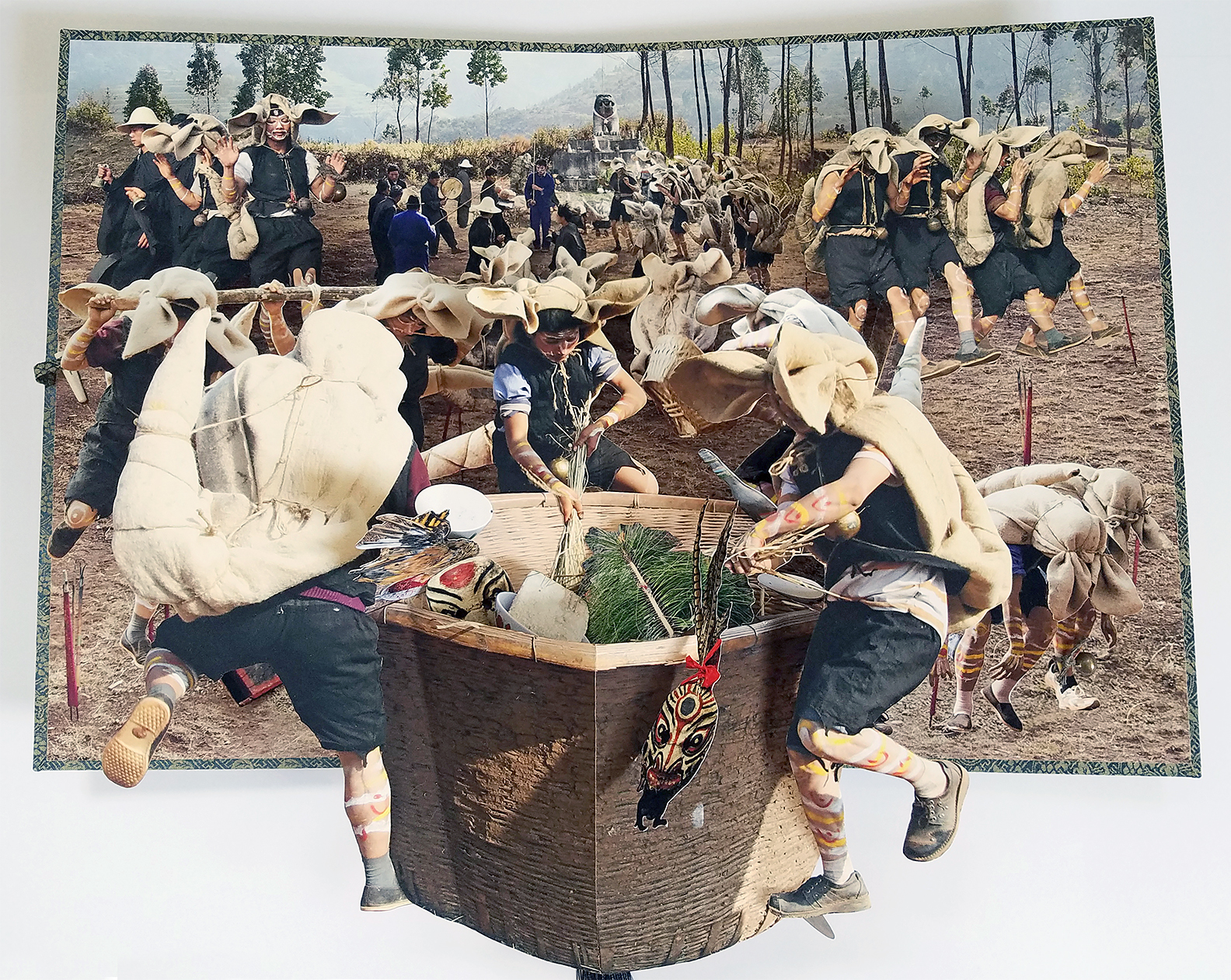
Whether super-sized or handheld, Colette Fu’s pop-up books marvel in both content and structure. Her work provides 3-D insight into places and cultures across the globe. And even in small doses, her ability to build upon and enhance photographs create enormous experiences.
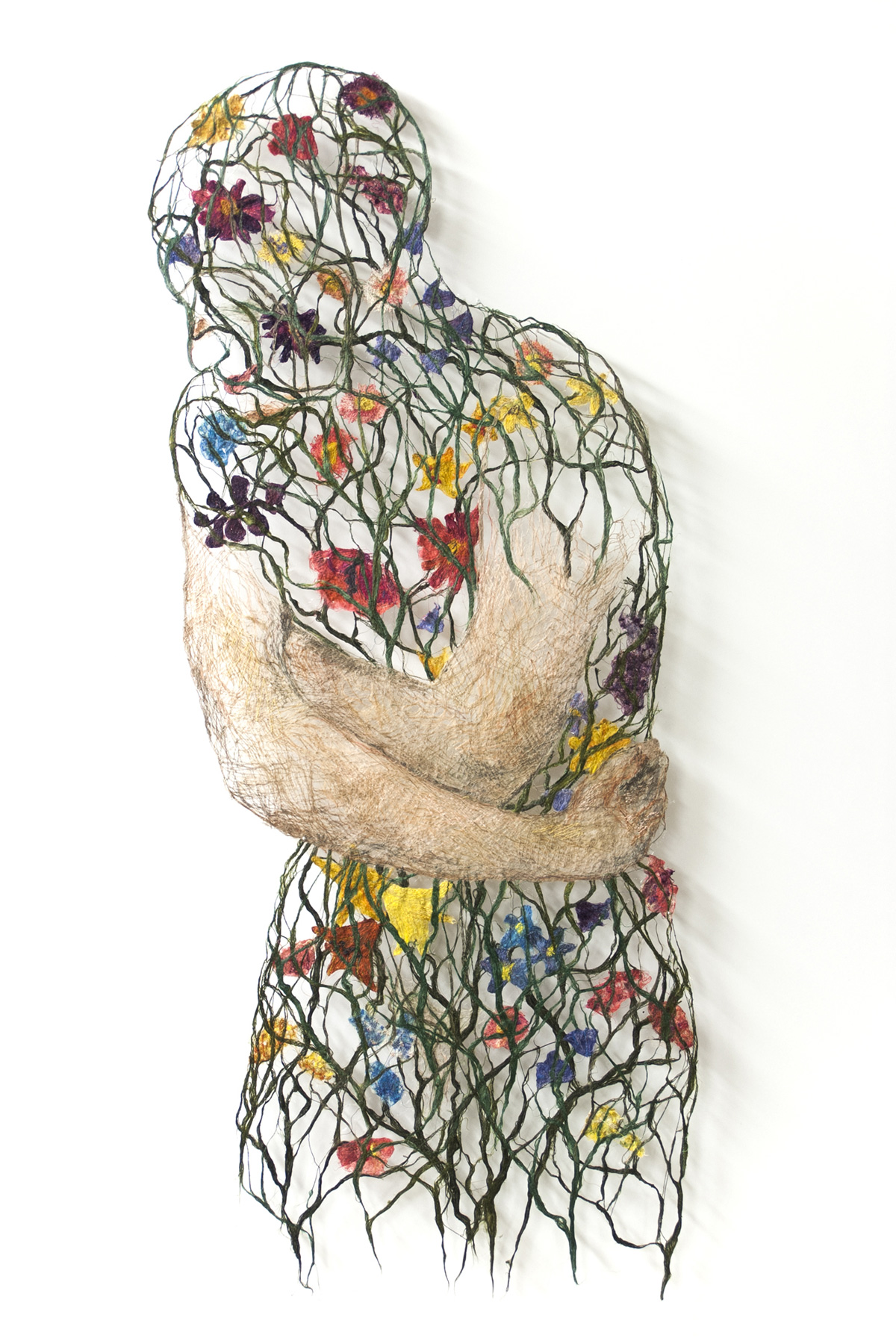
Raija Jokinen reassembles aspects of the human bodies with flax. The Finnish artist interweaves creatures and notes of nature into her recreations of our interior. Jokinen considers her work to exist at the "meeting point of the techniques in painting, graphic art, hand made paper and textile."
In Rosa de Jong's "Micro Matter" series, the sculptor and art director crafts miniature structures that appear to be ripped from the earth. The artist uses varying materials to craft these buildings and landscapes, including cardboard, tree bark, thread, watercolor paint, and plastic. The work is both suspended and placed in capsules, offering a 360-degree view of de Jong’s sculptures for viewers.
The concept of the Wunderkammer, aka The Cabinet Of Curiosities has been an artistic inspiration for some time, however a new show opening in November by Ryan Matthew Cohn and Jean Labourdette takes it up a notch with an exceptional show of sculptures and paintings based thematically on the subject. Click to read the new Hi-Fructose exclusive interview.

Subscribe to the Hi-Fructose Mailing List