


Yoshimitsu Umekawa’s photographs look like pictures of a pop-colored apocalypse. The forms in his images appear vibrant and swirling at first, but then evoke an underlying darkness. In the studio, Umekawa’s process is similar to another photographer, Kim Keever, creating images inside of a fish tank and then coloring them digitally. His ‘clouds’ come in a variety of colors and iterations, and he has photographed 100 of them so far. He calls them “Incarnations”- visible parts of his experience as a young person living in Tokyo, with a nod to Japan’s past which is no stranger to catastrophe. “I am trying to convert some problems happening on a daily basis, including social problems that I feel in Japan,” he told Hi-Fructose in an email. “The reason why I chose the series is because I feel strongly that my inspiration, based on my spiritual experience, sympathized with the ‘murky’ elements of Japan.” It is unsurprising that we should find “murkiness” in his work, considering events like the 2011 Tōhoku earthquake and tsunami, and subsequent nuclear disasters that have led to public outcry. However, Umekawa’s viewpoint is not a purely negative one. The world is a place where good and evil coexists in harmony, something that he also hopes to illustrate in his photos. “Each has a character, and that can change depending on who is looking,” he says.


 After singing for a rock band, working as a tattooist, and modeling for Playboy, Russian artist
  In
In  Korean-American multimedia artist
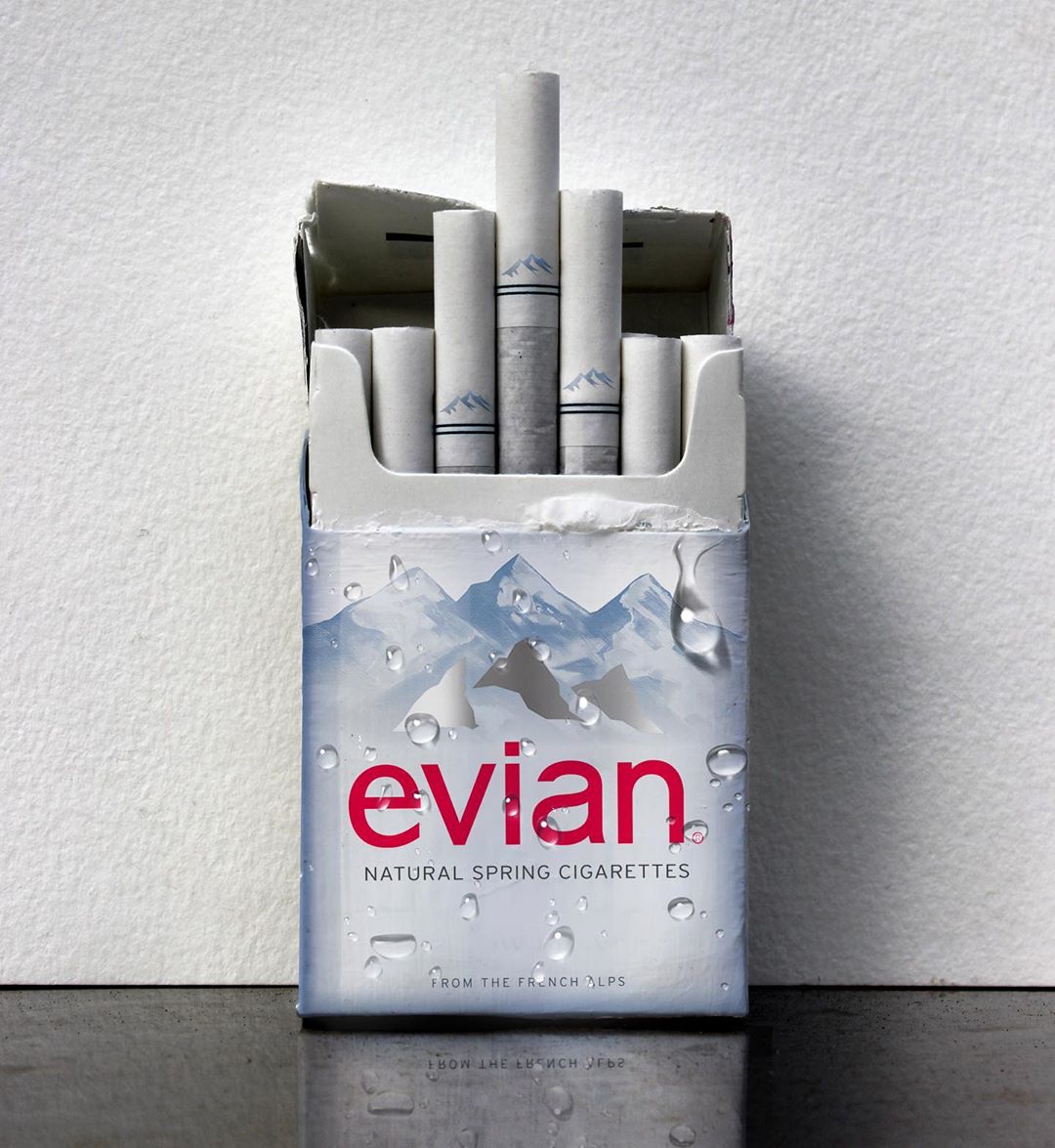 Artfucker’s recent body of work, displayed in the exhibition “Smoke Show,” meditates on just how accustomed viewers are to the omnipresence of marketing efforts. The New York artist’s practice is a blend of mixed-media and photography, with their identity still unknown to the public despite widely seen work.